Inclusive Interviewing for National and Community Service Programs

Via magnusfranklin's Flickr photostream

Via magnusfranklin's Flickr photostream

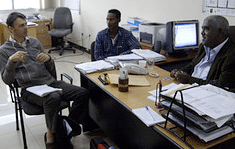
As applications to join your service program increase, and the interview process continues, this is the perfect time to brush-up on information regarding inclusive interviewing.

As a result of feedback from the field, the National Service Inclusion Project (NSIP) will be providing an informative and interactive discussion to guide you in conducting inclusive interviews.

What are questions that you can and can’t ask? What if someone discloses a disability on their application or during an interview? What are strategies to ensure that all applicants know your agency provides reasonable accommodations?

Please be a part of this presentation and discussion about conducting inclusive interviews both in-person and at a distance.

Join us on Wednesday, May 20, 2009 from 3 PM – 4 PM EST (2 PM Central, 1 PM Mountain, 12 PM Pacific).

Our presenters this month are both from the National Service Inclusion Project (NSIP) (see their biographies, below): Continue reading

Engaging Service Members of All Ages and Abilities in Service

Living today for a better tomorrow

May has been declared Older Americans Month, by the Administration on Aging (AoA) out of the U.S. Department of Health and Human Services.

According to the AoA: “This year’s theme ‘Living Today for a Better Tomorrow’ reflects AoA’s continued focus on prevention efforts and programs throughout the country that are helping older adults have better health as they age.” Many seniors of all abilities are “living today for a better tomorrow” by committing themselves to national and community service through Senior Corps, AmeriCorps, and Learn & Serve programs.

In May 2007, the Corporation for National and Community Service released “The Health Benefits of Volunteering: A Review of Recent Research” (PDF). The study “documents major findings from more than 30 rigorous and longitudinal studies that reviewed the relationship between health and volunteering. The study, which were controlled for other factors, found that volunteering leads to improved physical and mental health.”

Key findings include:

  • Older adults are more likely to receive greater health benefits from volunteering; including improved physical and Continue reading

Emergency Preparedness and People with Disabilities

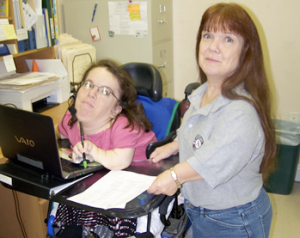
Photo of Bobbie Singletary at work, helping someone on the computer.Many AmeriCorps, Senior Corps and Learn and Serve America programs focus on emergency preparedness. Service members who serve in these programs inform and educate the public about the need for emergency preparedness, including emergency preparedness for individuals with disabilities, and respond when emergencies happen.

Bobbie Singletary is an AmeriCorps  VISTA who has been serving at Life of South Mississippi from 2006, focusing specifically on emergency preparedness for people with disabilities.

Bobbie, who is of short stature, was volunteering at Life of South Mississippi when she was asked to become their VISTA. “Life [of South Mississippi] helped my family, so I wanted to give of my time.”

In her service, she focuses on providing disaster preparedness trainings to the public and especially to persons with disabilities. She gets the word out to first responders and other emergency managers so that they are best able to assist everyone regardless Continue reading